


Globax news
Blog
Shipping from UK to Germany (Cost & Time Guide): A Complete Operational Breakdown for Logistics Decision-Makers
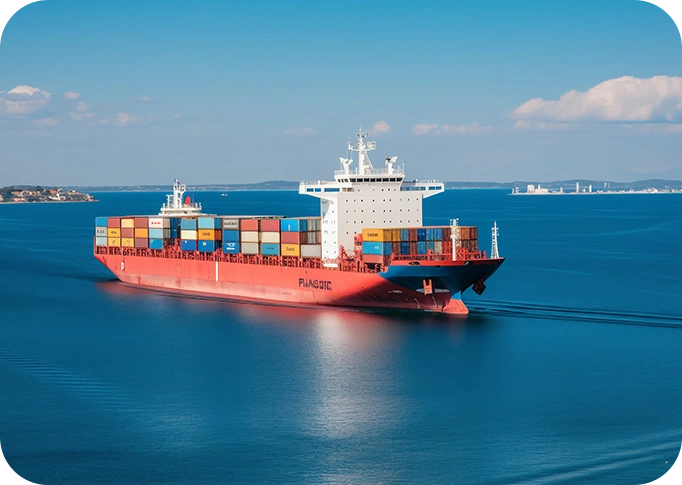
Shipping from UK to Germany (Cost & Time Guide): A Complete Operational Breakdown for Logistics Decision-Makers
Shipping between the United Kingdom and Germany remains one of the most active freight corridors in Europe, driven by industrial manufacturing, automotive supply chains, eCommerce distribution, and retail replenishment.
Despite strong trade volume, the operational complexity has increased significantly due to customs controls, regulatory divergence, and capacity constraints across transport modes.
For logistics managers, supply chain directors, and importers, the challenge is not just moving goods. It is about:
- Selecting the correct freight mode (How to Choose the Right Freight)
- Optimizing logistics packaging solutions
- Managing cost versus delivery commitments
- Navigating customs clearance without delays
- Maintaining inventory flow across borders
This guide breaks down the real-world operational mechanics behind shipping from the UK to Germany, including cost structures, transit timelines, and the decisions that directly impact efficiency and profitability.
1. Freight Modes from UK to Germany: Cost vs Speed Trade-offs
Choosing the right transport mode is the first strategic decision. It affects cost, transit time, packaging requirements, and risk exposure.
1.1 Road Freight (Primary Mode)
Operational Overview
Road freight dominates UK–Germany trade due to geographic proximity and flexibility.
- Transit time: 2 to 5 days
- Cost: Moderate
- Best for: Palletized goods, retail stock, industrial components
Real-World Operations
- Goods are collected from UK warehouses
- Consolidated at freight hubs
- Transported via ferry or Eurotunnel
- Delivered directly or through regional distribution centers
Risks
- Driver shortages
- Border delays
- Fuel price volatility
1.2 Air Freight
Operational Overview
Used for urgent or high-value shipments.
- Transit time: 1 to 2 days
- Cost: High
- Best for: Electronics, medical goods, critical components
Decision Logic
Air freight is selected when:
- Stockouts would disrupt production
- Product value outweighs shipping cost
- Lead times must be minimized
Limitation
- Requires advanced packaging for shipping to withstand handling and pressure changes
1.3 Sea Freight (Short Sea Shipping)
Operational Overview
Less common but viable for bulk shipments.
- Transit time: 5 to 10 days
- Cost: Low per unit
- Best for: Large volume, non-urgent cargo
Operational Challenge
- Port congestion can delay unloading
- Additional drayage required
1.4 Rail Freight
Emerging Option
- Transit time: 3 to 6 days
- Cost: Between road and sea
- Suitable for: Bulk and containerized cargo
Limitation
- Limited flexibility compared to road freight

2. Shipping Costs from UK to Germany
Cost is not a single number. It is a combination of multiple operational components.
2.1 Cost Breakdown
- Freight charges (mode dependent)
- Fuel surcharges
- Customs clearance fees
- Handling and warehousing
- Packaging and palletization
- Insurance
Example Cost Ranges
| Mode | Cost Estimate (per shipment) |
|---|---|
| Road | £500 – £2,500 |
| Air | £2,000 – £8,000+ |
| Sea | £300 – £1,500 |
2.2 Shipping Cost Optimization Strategies
Effective shipping cost optimization depends on:
- Load consolidation
- Route efficiency
- Carrier contract negotiation
- Packaging optimization
Practical Example
A poorly optimized shipment:
- Half-empty pallets
- Inefficient stacking
- Incorrect packaging
Result:
- Higher freight cost per unit
- Increased risk of damage
3. Logistics Packaging Solutions: Operational Importance
Packaging is not just protection. It directly affects cost, compliance, and handling efficiency.
3.1 Role of Logistics Packaging Solutions
Well-designed logistics packaging solutions ensure:
- Protection during transit
- Space optimization
- Compliance with freight packaging standards
- Reduced damage rates
3.2 Packaging for Shipping: Core Principles
Protective Packaging Materials
- Corrugated boxes
- Foam inserts
- Shrink wrap
- Pallets
Key Requirements
- Weight distribution
- Stackability
- Shock resistance
- Moisture protection
3.3 Freight Packaging Standards
Compliance with freight packaging standards is critical:
- ISPM 15 for wooden pallets
- Hazardous goods labeling (if applicable)
- EU packaging waste regulations
Failure results in:
- Shipment rejection
- Customs delays
- Financial penalties
3.4 Sustainable Packaging Logistics
Sustainability is now a procurement requirement.
Practices
- Recyclable materials
- Reduced packaging volume
- Reusable pallets
Trade-Off
- Lower environmental impact vs higher material cost
4. Step-by-Step Logistics Workflow
4.1 Route Planning
Logistics managers evaluate:
- Distance
- Border crossing points
- Traffic patterns
- Fuel consumption
Example
A direct route may not always be optimal if:
- Congestion increases delays
- Fuel costs rise
4.2 Carrier Selection & Contracting
Key Evaluation Criteria
- Reliability
- Transit time consistency
- Damage rates
- Pricing structure
Risk of Poor Selection
- Missed delivery windows
- Product damage
- Increased claims
4.3 Warehousing & Inventory Management
Warehousing decisions impact:
- Lead times
- Stock availability
- Distribution efficiency
Common Issues
- Overstock leading to storage cost
- Stockouts causing lost sales
4.4 Load Optimization
Efficient loading reduces cost.
Techniques
- Pallet standardization
- Vertical stacking
- Weight balancing
4.5 Customs Clearance
Post-Brexit, this is a critical stage.
Required Documents
- Commercial invoice
- Packing list
- EORI number
- Customs declarations
Common Errors
- Incorrect HS codes
- Missing documentation
Result:
- Delays
- Additional inspections
4.6 Last-Mile Delivery
Final delivery phase often faces:
- Urban restrictions
- Delivery time windows
- Driver shortages
5. Real-World Challenges in UK–Germany Shipping
5.1 Port Congestion
Impact:
- Delayed shipments
- Increased demurrage costs
5.2 Customs Delays
Cause:
- Documentation errors
- Regulatory checks
5.3 Warehouse Bottlenecks
Occurs during:
- Peak seasons
- eCommerce surges
5.4 Driver Shortages
Effect:
- Delivery delays
- Increased freight rates
5.5 Cross-Border Complexity
Even though UK–Germany is within Europe:
- Customs compliance adds friction
- Regulatory alignment differs
6. Technology in Logistics Operations
6.1 Transportation Management Systems (TMS)
Used for:
- Route optimization
- Carrier selection
- Cost tracking
6.2 Warehouse Management Systems (WMS)
Used for:
- Inventory control
- Order fulfillment
- Space optimization
6.3 Integration Challenges
If systems are not integrated:
- Data silos occur
- Delays increase
- Visibility reduces

7. In-House vs 3PL Logistics Decision
7.1 In-House Logistics
Advantages:
- Full control
- Custom processes
Limitations:
- High cost
- Limited scalability
7.2 Third-Party Logistics (3PL)
Advantages:
- Scalability
- Expertise
- Cost efficiency
Explore integrated Logistics Services including freight forwarding, warehousing, and distribution solutions to support cross-border operations.
8. Decision-Making Framework for Logistics Managers
8.1 Cost vs Service Level
- Faster delivery increases cost
- Slower delivery impacts customer satisfaction
8.2 Risk Management
Includes:
- Carrier reliability
- Political factors
- Fuel price volatility
8.3 Performance Evaluation
KPIs include:
- On-time delivery
- Damage rate
- Cost per shipment
FAQs
1. What is the fastest way to ship from UK to Germany?
Air freight is the fastest option with transit times of 1 to 2 days. It is typically used for urgent shipments where delays would impact operations. However, the cost is significantly higher compared to road or sea freight. Businesses must evaluate whether speed justifies the cost.
2. How can shipping costs be reduced effectively?
Cost reduction comes from consolidation, optimized packaging, and efficient routing. Using proper logistics packaging solutions minimizes wasted space. Negotiating carrier contracts and selecting the right freight mode also plays a major role.
3. What documents are required for customs clearance?
Key documents include a commercial invoice, packing list, EORI number, and customs declaration. Errors in these documents often result in delays. Accurate classification and compliance are critical for smooth clearance.
4. Why is packaging so important in logistics?
Packaging protects goods, ensures compliance, and optimizes space. Poor packaging increases damage risk and shipping costs. Using proper protective packaging materials improves efficiency and reduces losses.
5. What are the common causes of shipment delays?
Delays are caused by customs issues, port congestion, driver shortages, and incorrect documentation. Inefficient routing and poor carrier performance also contribute to delays.
6. Should businesses use 3PL providers?
3PL providers offer scalability and expertise. They are beneficial for companies lacking logistics infrastructure. However, businesses must evaluate cost, control, and service quality before outsourcing.
7. How does sustainability impact logistics packaging?
Sustainable packaging reduces environmental impact but may increase material costs. Businesses must balance sustainability goals with operational efficiency and cost considerations.
Shipping from the UK to Germany involves far more than moving goods between two locations. It requires:
- Strategic freight mode selection
- Effective logistics packaging solutions
- Strong carrier partnerships
- Accurate customs handling
- Integrated technology systems
Operational efficiency comes from understanding each stage and making informed decisions based on cost, risk, and service requirements.
For businesses managing cross-border supply chains, investing in structured logistics planning and reliable logistics services is essential for maintaining performance and competitiveness.