


Globax news
Blog
The AI Tools Canadian Logistics Companies Can’t Ignore Anymore
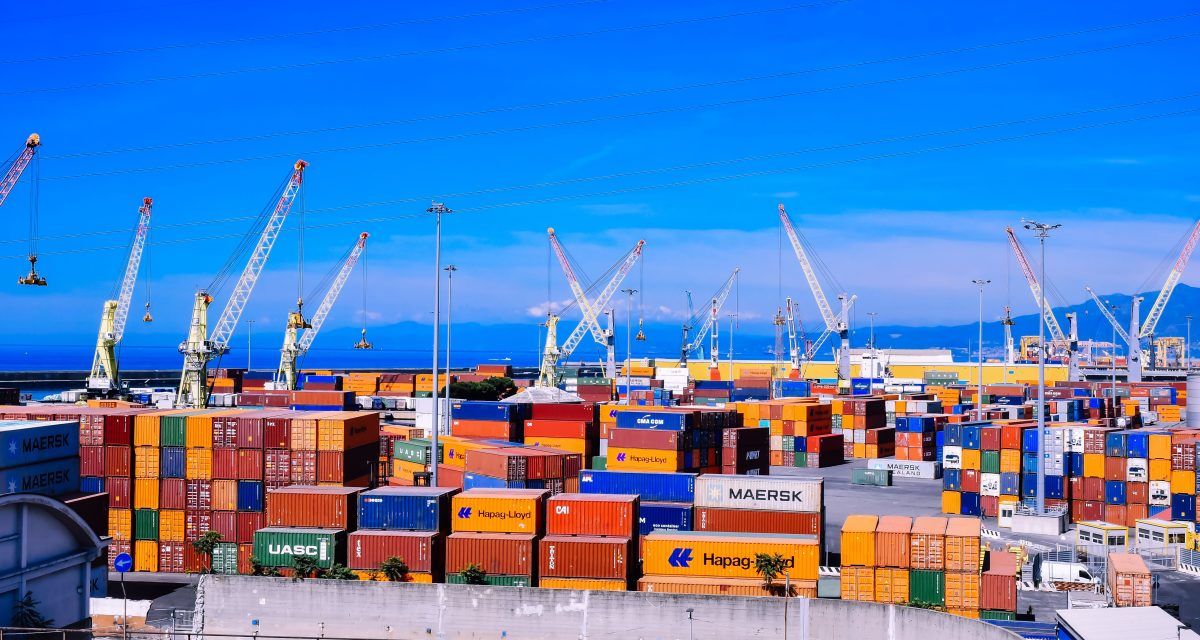
what are the most useful AI technologies for logistics companies in canada?
Logistics companies in canada are already using AI to cut delivery delays, improve warehouse operations, reduce fuel costs, and get better visibility across the supply chain, and honestly, the companies moving first are starting to pull ahead while others are still relying on spreadsheets and gut feeling to make decisions.
Since 2017, I’ve watched logistics technology move from something only large carriers could afford into tools that even mid-sized freight companies, warehouses, and supply chain teams can put to work, and the real benefit isn’t replacing people, it’s helping good people make faster and better decisions every day.
By Agha Hadi, Founder, Dolphin Logistics
Back when I first got into logistics, most decisions were made from experience, phone calls, and a whole lot of chasing updates. Dispatchers knew routes because they’d seen them a hundred times. Warehouse managers knew inventory because they walked the floor constantly.
That still matters.
But freight volumes are bigger now. Customer expectations are different. And supply chains have become more complicated than many people expected.
The companies adapting the fastest aren’t necessarily the biggest. They’re the ones using AI to support the people already doing the work.
Some folks hear “AI” and immediately think robots replacing workers. That’s not what I’m seeing.
What I’m seeing is planners making better forecasts. Dispatchers avoiding traffic before it becomes a problem. Warehouses catching inventory issues before customers start calling.
Small things. Repeated thousands of times.
That’s where the real impact shows up.
Why are logistics companies in Canada investing in AI right now?
The short answer is simple. AI helps companies move freight with fewer surprises.
Canadian logistics companies deal with huge distances, changing weather, border crossings, labor shortages, fuel costs, and customer expectations that seem to get higher every year.
A lot of these problems aren’t new.
What’s changed is our ability to spot issues before they become expensive.
I’ve seen companies spend thousands fixing problems that could’ve been identified hours earlier if the right data had been available. AI is helping close that gap.
And no, it doesn’t solve everything. Not even close.
But it can help operators make smarter decisions when time is tight.
Which AI technologies are making the biggest difference in logistics?
Here’s the honest truth. Not every AI tool deserves the attention it gets.
Some are practical. Some are mostly marketing.
The seven technologies below are the ones I see having the most real-world impact across Canadian logistics operations.
1. What is AI-powered route optimization and why does it matter?
The answer is straightforward. AI-powered route optimization helps carriers find faster, cheaper, and more reliable routes using live data instead of static planning.
Years ago, route planning was often based on historical experience.
The driver knew the route.
The dispatcher knew the route.
Everybody knew the route.
Then construction started. Weather changed. Traffic backed up. Border wait times increased.
Now the route isn’t the route anymore.
AI systems can analyze:
- Traffic patterns
- Road closures
- Weather conditions
- Fuel consumption
- Driver schedules
- Delivery windows
- Border crossing delays
And adjust plans accordingly.
I remember a shipment moving through Ontario during a stretch of bad weather. The original route looked fine on paper. It really did. But live conditions changed quickly.
A smart routing platform identified the issue early and suggested an alternative route that saved several hours.
That’s the kind of decision AI handles well.
What benefits does route optimization provide?
| Benefit | Impact on Operations |
|---|---|
| Lower fuel costs | Reduced mileage and idle time |
| Faster deliveries | Better customer satisfaction |
| Improved fleet utilization | More loads per vehicle |
| Reduced delays | Better schedule reliability |
| Lower operating costs | Improved profit margins |
The technology isn’t perfect.
Drivers still need local knowledge. Dispatchers still need experience.
But together, they work better.
2. How does predictive analytics improve supply chain planning?
The short answer is that predictive analytics helps logistics companies anticipate demand before it happens.
Forecasting has always been difficult.
Too much inventory creates storage costs.
Too little inventory creates customer problems.
Neither situation is fun.
Predictive systems analyze:
- Historical sales data
- Seasonal trends
- Economic activity
- Customer buying patterns
- Market fluctuations
- Regional demand changes
Then they estimate future demand.
Most logistics owners don’t realize how much money gets tied up in inventory mistakes.
I’ve seen warehouses packed with products nobody needed while high-demand items were completely unavailable.
It’s frustrating because both problems often happen at the same time.
Predictive analytics helps reduce those situations.
Not eliminate them.
Reduce them.
That’s an important difference.
Can predictive analytics improve inventory management?
Yes.
The biggest advantage is visibility.
Instead of reacting after inventory issues appear, managers can identify risks earlier.
That means:
- Better stock planning
- Lower storage costs
- Reduced stockouts
- Faster replenishment decisions
- Improved customer service
For Canadian distributors dealing with seasonal demand swings, this can make a significant difference.
Especially in industries where weather plays a major role.
3. How is machine learning improving warehouse operations?
The answer is simple. Machine learning helps warehouses identify patterns that humans often miss.
Warehouses generate huge amounts of information every day.
Orders.
Returns.
Inventory movements.
Picking times.
Storage locations.
Equipment usage.
The list keeps growing.
A machine learning system can review those patterns continuously and suggest operational improvements.
Sometimes those improvements are surprisingly small.
A different picking sequence.
A better storage location.
A smarter replenishment schedule.
Tiny adjustments.
But tiny adjustments repeated thousands of times become meaningful savings.
I’ve spent enough time inside warehouses to know that a few seconds saved on every order adds up quickly.
Really quickly.
Where is machine learning used inside warehouses?
Some common applications include:
| Warehouse Activity | Machine Learning Application |
| Inventory control | Stock level forecasting |
| Order picking | Route optimization inside facilities |
| Labor planning | Workforce forecasting |
| Space utilization | Storage optimization |
| Equipment maintenance | Failure prediction |
One thing I appreciate about machine learning is that it gets smarter over time.
The more data available, the better recommendations become.
Assuming the data is clean, of course.
That’s usually where companies run into trouble.
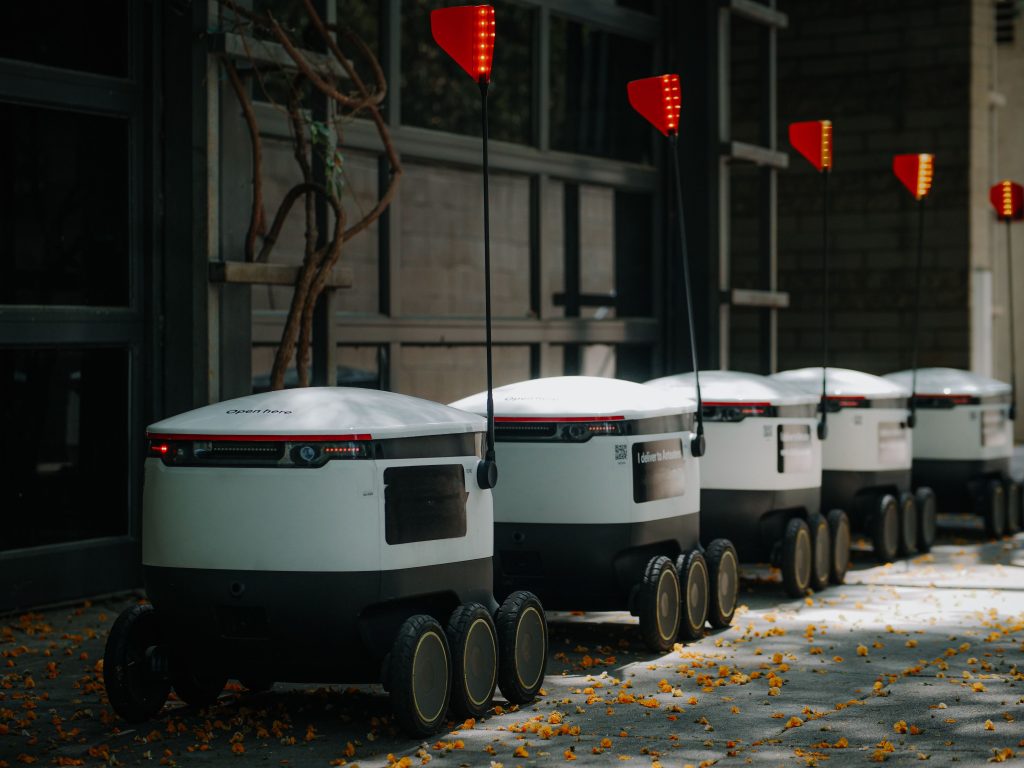
4. Can AI predict equipment failures before they happen?
Yes, and this is one of the most practical uses of AI I’ve seen.
Predictive maintenance uses sensors and machine learning to identify equipment issues before a breakdown occurs.
Every logistics operation depends on equipment.
Forklifts.
Conveyors.
Trailers.
Refrigeration units.
Fleet vehicles.
Eventually something fails.
The question isn’t whether it happens.
It’s when.
Traditional maintenance schedules rely on time intervals.
Every few months, equipment gets inspected.
Predictive maintenance works differently.
Sensors monitor performance continuously and detect unusual behavior.
Things like:
- Temperature changes
- Vibration levels
- Engine performance
- Fuel efficiency
- Component wear
- Operating conditions
When something starts looking abnormal, maintenance teams receive an alert.
That’s valuable because emergency repairs are expensive.
And they usually happen at the worst possible moment.
I don’t know why, but equipment never seems to fail on a quiet day.
What are the advantages of predictive maintenance?
Pros
- Fewer breakdowns
- Lower repair costs
- Reduced downtime
- Longer equipment lifespan
- Improved safety
Cons
- Initial investment costs
- Sensor installation requirements
- Data management challenges
- Staff training needs
Still, for fleets and warehouses running expensive equipment, the return can be substantial.
And that’s where many Canadian logistics companies are focusing their AI investments right now.
(Continued in Part 2 with AI visibility platforms, autonomous warehouse systems, intelligent customer service tools, implementation strategies, and the future of AI in Canadian logistics.)
5. How does AI improve shipment tracking and supply chain visibility?
The short answer is this. Supply chain visibility gives logistics teams a clearer picture of where freight is, what’s causing delays, and what needs attention before customers start asking questions.
If there’s one thing customers expect today, it’s updates. Not excuses.
Back in the day, we’d spend half the morning calling drivers, checking emails, and waiting for someone at a warehouse to pick up the phone. It worked…well, most of the time. But it wasn’t fast.
Now AI can pull data from GPS devices, warehouse systems, weather feeds, and transportation software all at once. Instead of chasing information, you’re looking at one screen that tells you what’s happening.
That changes the conversation.
Instead of saying, “We’re checking on your shipment,” you can often say, “Your load was delayed by weather outside Winnipeg. It’s expected to arrive tomorrow morning.”
Customers appreciate that kind of honesty.
What can AI tracking systems monitor?
| Tracking Area | How AI Helps |
|---|---|
| Shipment location | Real-time GPS updates |
| Delivery delays | Predicts arrival time changes |
| Border crossings | Estimates clearance delays |
| Weather disruptions | Suggests alternate plans |
| Cargo conditions | Monitors temperature and humidity |
| Driver performance | Flags unusual driving behavior |
One thing I’ve noticed is that visibility doesn’t just help customers.
It helps your own team stop guessing.
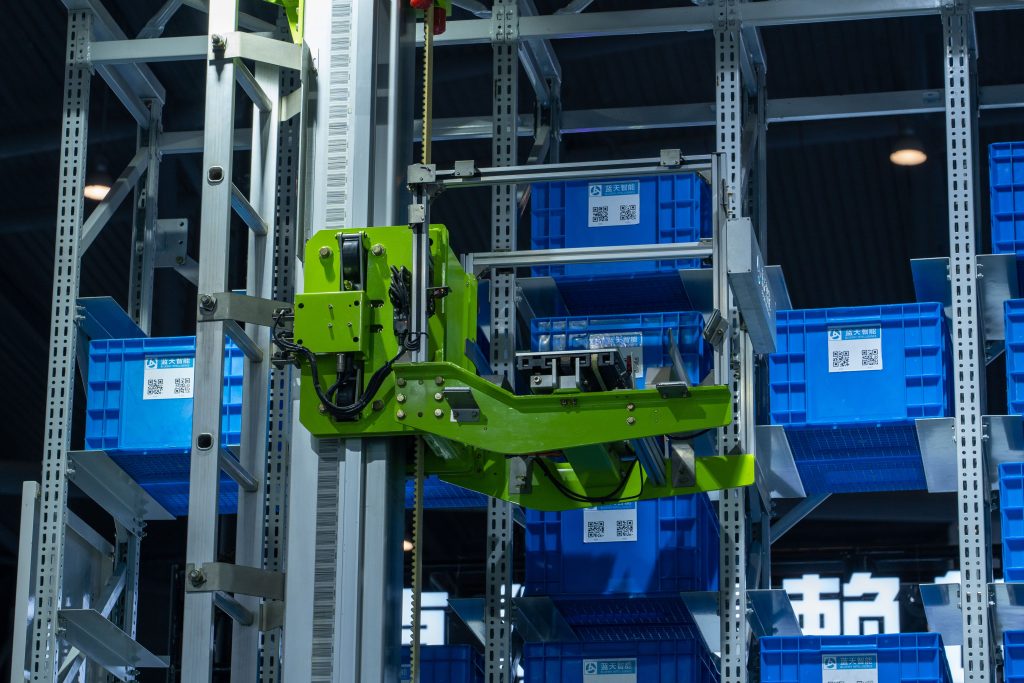
6. Can AI improve customer service in logistics?
Yes. But here’s something people don’t always say out loud.
AI customer support shouldn’t replace your operations team. It should handle the routine questions so your people can focus on solving the difficult ones.
Think about the calls logistics offices receive every day.
Where’s my shipment?
Has the truck arrived?
Can I change the delivery address?
Is customs holding the freight?
Those questions take time.
AI-powered chat assistants can answer many of them instantly because they’re connected to shipment data.
That doesn’t mean customers never speak to a person.
And honestly, they still should when the situation gets complicated.
I’ve had customers who weren’t looking for fancy technology. They just wanted someone to tell them the truth about a delayed shipment.
AI can provide information.
People still build trust.
That’s an important difference.
Where does AI help customer service most?
- Shipment status updates
- Delivery appointment scheduling
- Freight documentation requests
- Frequently asked questions
- Customer notifications
- Order confirmations
The goal isn’t fewer conversations.
It’s better conversations.
7. Are autonomous warehouse systems becoming practical?
Yes, although they’re not the right fit for every business.
Warehouse automation has improved a lot over the last few years.
I’ve walked through facilities where autonomous mobile robots moved pallets from one zone to another while warehouse staff handled the more complex work.
It’s impressive.
But it also requires planning.
Some warehouses are perfect candidates.
Others would spend a lot of money without seeing much return.
That’s why I always tell people not to buy technology just because competitors are doing it.
Fix your process first.
Then decide whether automation actually supports that process.
What warehouse tasks can AI automate?
| Warehouse Function | AI Application |
| Pallet movement | Autonomous mobile robots |
| Inventory counting | Computer vision systems |
| Quality inspection | AI image recognition |
| Package sorting | Intelligent conveyor systems |
| Picking assistance | Voice-directed picking |
| Storage allocation | AI slotting recommendations |
The biggest improvement I’ve seen isn’t speed.
It’s consistency.
Machines don’t get tired during a long shift.
People do.
How should logistics companies in Canada start using AI?
My answer is always the same.
Start small.
I’ve seen businesses buy expensive software before they understood what problem they were trying to solve.
That usually doesn’t end well.
Instead, identify one area that’s slowing the business down.
Maybe it’s dispatch.
Maybe inventory.
Maybe delivery tracking.
Fix that first.
Once the team starts seeing results, expanding becomes much easier.
A practical way to begin
- Identify your biggest operational problem.
- Collect clean and accurate operational data.
- Choose one AI solution that addresses that issue.
- Train employees before rolling it out.
- Measure the results for a few months.
- Improve the process before adding another AI tool.
Nothing fancy.
Just steady progress.
What challenges should Canadian logistics companies expect?
The answer is simple.
AI isn’t plug-and-play.
There are challenges, and pretending otherwise doesn’t help anyone.
The biggest issue I see isn’t the software.
It’s the data.
If shipment records are incomplete, inventory numbers are wrong, or different systems don’t communicate with each other, AI will struggle to produce useful recommendations.
Garbage in.
Garbage out.
That old saying still applies.
Other common challenges include:
| Challenge | Practical Reality |
| Poor data quality | AI decisions become unreliable |
| Employee resistance | Training is essential |
| Integration costs | Older systems may need upgrades |
| Cybersecurity | More connected systems require stronger protection |
| Ongoing maintenance | AI models need regular updates |
None of these problems are impossible.
They just need realistic planning.
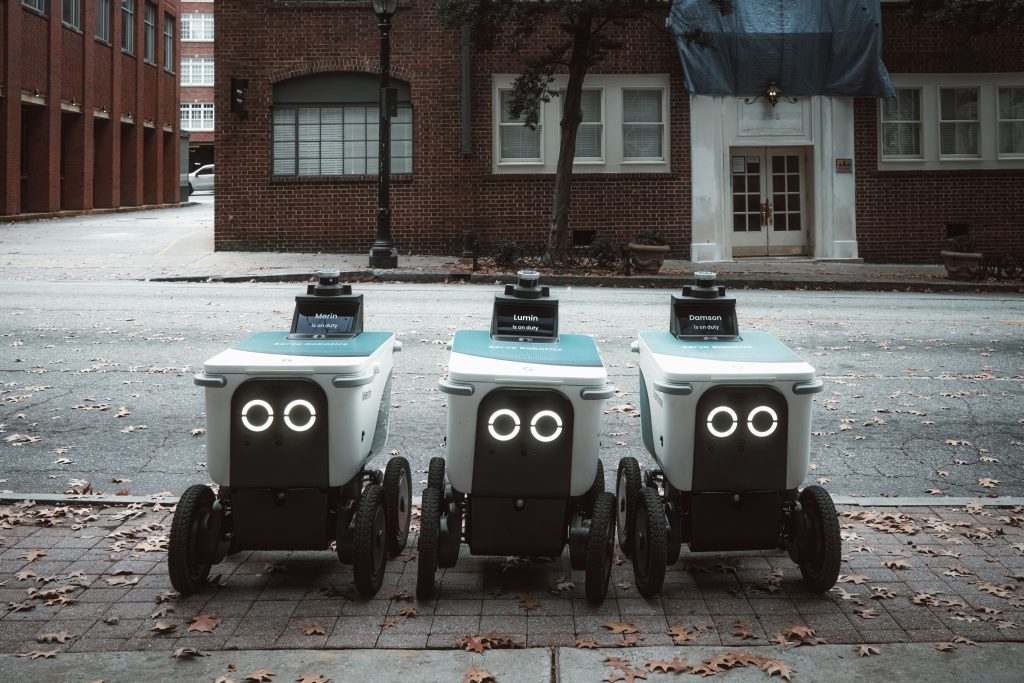
Is AI replacing logistics professionals?
No.
And I don’t think it will.
The best logistics operations I’ve worked with all have one thing in common.
Experienced people.
Drivers who know the roads.
Warehouse supervisors who notice problems before software does.
Dispatchers who can calm down an angry customer in two minutes.
AI doesn’t replace that.
It supports it.
One of the biggest mistakes businesses make is assuming technology alone will solve operational problems.
It won’t.
Good processes still matter.
Good leadership still matters.
People still matter.
AI just gives them better information to work with.
Where do I think AI is headed next?
If I’m being real, I think we’re still early.
The next few years will probably bring smarter forecasting, more automated documentation, better customs processing, and stronger integration between transportation management systems, warehouse software, and fleet operations.
I also expect smaller logistics companies to benefit the most.
Why?
Because AI tools are becoming more affordable.
Five or six years ago, many of these systems were built for enterprise carriers with huge budgets.
That’s changing.
Now even regional freight companies can access technology that used to be out of reach.
That’s good for the industry.
Competition improves.
Customers benefit.
Everybody pushes each other to operate a little smarter.
Frequently Asked Questions
Which AI technology delivers the fastest return?
For many businesses, AI-powered route optimization delivers results first because reducing mileage, fuel use, and idle time can quickly lower operating costs.
Is AI only useful for large logistics companies?
No. Many cloud-based AI platforms are affordable for small and mid-sized logistics companies in Canada, especially for route planning, shipment tracking, and inventory forecasting.
Does AI replace transportation management software?
No. AI usually works alongside a Transportation Management System (TMS), adding predictive insights, automation, and smarter recommendations instead of replacing the software.
Is AI difficult to implement?
It depends on your existing systems. Companies with organized operational data usually see a smoother rollout than businesses relying on disconnected spreadsheets or outdated software.
Since getting into logistics in 2017, I’ve learned something that still holds true today.
Technology changes.
The fundamentals don’t.
Customers still expect deliveries on time.
Drivers still need safe equipment.
Warehouses still need organized inventory.
AI doesn’t change those basics.
It helps us do them better.
If you’re running one of the many logistics companies in canada, don’t feel like you need to adopt every new AI platform that comes along. Pick one problem. Solve it well. Learn from it.
Then move on to the next one.
That’s usually how lasting improvements happen anyway.
Related Entities
Transportation Management System (TMS), Warehouse Management System (WMS), SAP Supply Chain, Oracle Transportation Management, Blue Yonder, Manhattan Associates, Descartes Systems Group, Trimble, Geotab, Samsara, Machine Learning, Predictive Analytics, Computer Vision, Internet of Things (IoT), Robotic Process Automation (RPA), Fleet Management, Freight Forwarding, Last-Mile Delivery, Cold Chain Logistics, Supply Chain Visibility.